Best overall: fiber cement. Best for preserving a traditional desert exterior: stucco. Best for a modern, low-upkeep exterior: steel siding. The best siding materials for Arizona homes in 2026 depend on the existing wall assembly, sun exposure, drainage details, and the maintenance you will accept—not appearance alone.
- Fiber cement leads the best siding materials for Arizona homes when you want painted finishes without solid-wood upkeep.
- Stucco suits existing stucco homes; investigate cracks and moisture before choosing repairs or replacement.
- Steel siding fits modern exteriors, but finish protection and expansion details need attention.
- First Choice Renovation LLC handles small repairs and broader remodeling; discuss your exterior project before selecting materials.
Why this matters
An exterior remodel is a wall-system decision, not just a choice between boards and panels. Cladding, flashing, drainage, trim, and the underlying wall must work together. A durable material installed over unresolved damage does not solve the damage.
For homeowners across Pinal County, First Choice Renovation LLC provides remodeling, renovation, and maintenance services. Discuss the exterior condition and the wider project before deciding whether you need a localized repair, replacement cladding, or work coordinated with other renovations.
First Choice Renovation LLC is a fit for Pinal County homeowners planning small repairs alongside broader remodeling. Its client-reported positioning emphasizes reliable communication, craftsmanship, experience, and competitive pricing—not a lowest-price guarantee.
What makes the best siding for Arizona homes?
Use these criteria to compare materials before choosing a color or profile:
- Sun and heat exposure: Check the manufacturer's requirements for finish colors, installation clearances, and thermal movement. Do not assume every product within a material category performs identically.
- Water management: Look for a complete plan for flashing, drainage, and transitions at windows, doors, roof edges, and wall penetrations.
- Maintenance commitment: Separate cleaning from repainting, sealing, joint repairs, and finish touch-ups. Choose work you are willing to maintain.
- Existing-wall compatibility: Establish whether the substrate is sound and whether the proposed assembly works with existing openings and trim.
- Repairability: Ask how an individual damaged board, panel, or stucco area will be repaired and how closely the repair can match.
- Design fit: Match the material to the building's proportions and surrounding finishes. An attractive sample does not establish that the entire elevation will look balanced.
For a 2026 project, request product-specific installation documents rather than accepting broad claims such as maintenance-free or weatherproof.
Arizona siding materials at a glance
| Rank and material | Best for | Standout feature | Key limitation |
|---|---|---|---|
| 1. Fiber cement | Painted siding with less wood-related upkeep | Plank, panel, and textured formats | Installation and finish details require care |
| 2. Stucco | Preserving an existing desert-style exterior | Continuous, textured wall finish | Cracks need diagnosis; patches can remain visible |
| 3. Steel siding | Modern exteriors with factory-finished panels | Does not rot like wood | Dents and damaged coatings require attention |
| 4. Engineered wood | A wood-like exterior with a managed maintenance plan | Textured boards and trim | Cut edges, joints, and coatings need protection |
| 5. Vinyl siding | Owners seeking a finish that does not need routine repainting | Color is incorporated into the material | Heat exposure and movement require careful planning |
These are material-category recommendations, not endorsements of every product made from each material. Verify the selected product's instructions and its suitability for your building.
1. Fiber cement: best siding for a painted exterior
Fiber cement combines cement-based material with reinforcing fibers to form siding boards or panels. It offers wood-like profiles without using solid-wood boards as the exposed cladding. Fiber cement is the default shortlist choice when you want a painted exterior and accept periodic finish maintenance.
Choose the profile before comparing colors. Horizontal planks, broad panels, and board-and-batten arrangements create different proportions, especially around small windows or narrow wall sections. The trim system matters just as much as the main siding.
Fiber cement pros:
- Does not rot in the same way as solid wood.
- Offers several profiles for traditional and contemporary buildings.
- Provides a paintable surface for future color changes.
- Allows localized board replacement, subject to access and matching.
Fiber cement cons:
- Heavy, brittle boards require appropriate handling and fastening.
- Incorrect clearances and flashing can expose vulnerable areas to moisture.
- Painted finishes still require inspection and eventual renewal.
Ask the installer to explain the treatment of cut ends, joints, roof intersections, and the lowest course of siding. Those details are more useful than a general statement that the material is durable. Review the exact product's fire classification separately; do not infer an assembly rating from the category name.
Best for: Homeowners replacing deteriorated siding who want a painted plank or panel exterior.
Verdict: Buy fiber cement when the written scope includes substrate preparation, flashing, trim, and finish requirements.
2. Stucco: best exterior finish for an existing stucco home
Stucco creates a continuous exterior finish rather than separate visible siding boards. Traditional cement-based stucco and synthetic exterior insulation systems are different assemblies; identify what is already on your home before discussing repairs.
For an existing stucco house, keeping sound material can avoid an unnecessary change to the building's exterior system. Repair decisions should follow the cause of the damage, not just the appearance of a crack. A recurring crack or stained area needs investigation before patching.
Stucco pros:
- Preserves the appearance of an existing stucco exterior.
- Works across curved surfaces and varied architectural details.
- Supports textured finishes without visible plank courses.
- Permits localized repairs when the surrounding assembly remains sound.
Stucco cons:
- Cracks can result from movement or underlying problems that patching alone does not resolve.
- Repairs can differ from the original texture and color.
- Hidden moisture problems require more than a new surface coating.
Before approving a 2026 stucco repair, ask which areas will be opened or inspected, how transitions will be treated, and how the finish will be matched. Photograph staining and cracks before work starts so you can distinguish existing conditions from later changes.
Do not treat painting as a substitute for repairing failed flashing or damaged substrate. The wall's water-management details remain essential behind the finished surface.
Best for: Homeowners with an existing stucco exterior who want to preserve its architectural character.
Verdict: Buy targeted stucco repairs when the cause is identified; hold cosmetic patching over unresolved damage.
3. Steel siding: best siding for a modern exterior
Steel siding uses formed metal panels or boards, commonly with a factory-applied finish. It suits clean-lined elevations where panel direction, seams, and trim are part of the design. Unlike wood, the steel itself does not rot.
The important distinction is between low upkeep and no upkeep. Steel siding still needs inspection, cleaning, and attention to damaged finishes. Specify the complete panel-and-trim system rather than choosing a panel in isolation.
Steel siding pros:
- Does not require the same routine repainting as a conventional painted-wood exterior.
- Supports vertical and horizontal panel arrangements.
- Does not provide a wood substrate for decay.
- Creates a defined, contemporary appearance.
Steel siding cons:
- Impact can leave visible dents.
- Scratches or damaged coatings can expose steel to corrosion.
- Thermal movement and fastening details need product-specific treatment.
Ask how installers will handle exposed cut edges, dissimilar-metal contact, penetrations, and replacement panels. Also review a representative corner detail: metal trim can look substantially different from the siding sample you first approved.
Do not select steel solely because someone describes it as heat-resistant. Exterior metal conducts heat; the complete wall assembly, insulation, and exposure determine how the building manages heat transfer.
Best for: Homeowners and businesses seeking a modern exterior with factory-finished metal panels.
Verdict: Buy steel siding when the finish system, movement details, and repair method are documented.
4. Engineered wood: best siding for a wood-like appearance
Engineered wood siding uses processed wood components and binders rather than conventional solid-wood boards. Product construction and protective treatments vary, so the category name alone does not establish performance.
Choose engineered wood for its appearance and workable detailing—not because it eliminates wood-related maintenance. The installation must protect vulnerable edges and keep the material clear of moisture sources according to the manufacturer's requirements.
Engineered wood pros:
- Offers wood-grain textures and familiar plank profiles.
- Works with painted exterior color schemes.
- Provides coordinated siding and trim options, depending on the product.
- Supports traditional exterior details without solid-wood boards throughout.
Engineered wood cons:
- Exposed edges and incorrect joints can admit moisture.
- Finish damage needs prompt attention.
- Product-specific clearances and sealing requirements limit installation shortcuts.
For your 2026 comparison, request the exact product name and installation instructions. Ask who will coat field cuts, inspect sealant joints, and address damaged finishes during installation. A broad description such as treated wood is not a complete specification.
Keep the maintenance plan realistic. If you do not want to inspect coatings and joints, another material is a better fit than engineered wood selected only for its texture.
Best for: Homeowners who prioritize a wood-like exterior and accept ongoing coating and joint maintenance.
Verdict: Buy engineered wood for appearance with a maintenance plan; skip it if you want to ignore exterior upkeep.
5. Vinyl siding: best siding for avoiding routine repainting
Vinyl siding uses formed plastic profiles with color incorporated into the material. It does not require the same routine repainting as painted wood, but it still needs cleaning and inspection.
For Arizona homes, assess the actual exposure rather than dismissing or approving vinyl as a whole. Product specifications, installation movement allowances, and nearby sources of concentrated reflected heat all matter. Choose vinyl only after checking the selected product against the site conditions.
Vinyl siding pros:
- Avoids routine repainting of a conventional painted surface.
- Does not rot like wood.
- Offers several siding profiles and textures.
- Allows replacement of individual damaged sections where matching material is obtainable.
Vinyl siding cons:
- Excessive heat can distort the material.
- Incorrect fastening can restrict necessary expansion and contraction.
- Replacement pieces can differ from weathered existing siding.
Look at adjacent glazing, outdoor heat sources, and the wall's sun exposure before approving the material. Ask the installer to show how the siding will move at fasteners and trim channels. Tight fastening is not a sign of better workmanship when the system requires movement.
Do not assume vinyl will improve insulation simply because it covers an existing wall. Any insulation benefit depends on the specified assembly, not the presence of vinyl alone.
Best for: Homeowners prioritizing a non-painted finish where the selected vinyl product suits the exposure.
Verdict: Hold vinyl until product suitability and heat exposure are confirmed; skip installations that restrict movement.
How the siding ranking works
This ranking prioritizes wall compatibility, water management, maintenance, repairability, and design fit. Fiber cement takes the default position because it combines varied exterior profiles with a paintable finish without solid-wood cladding. Stucco moves ahead when preserving an existing sound stucco assembly is the main objective.
Steel, engineered wood, and vinyl each fill a different decision slot. None removes the need for a suitable substrate, correct flashing, or product-specific installation. Material selection cannot compensate for an incomplete scope.
Prepare a scope before requesting a quote
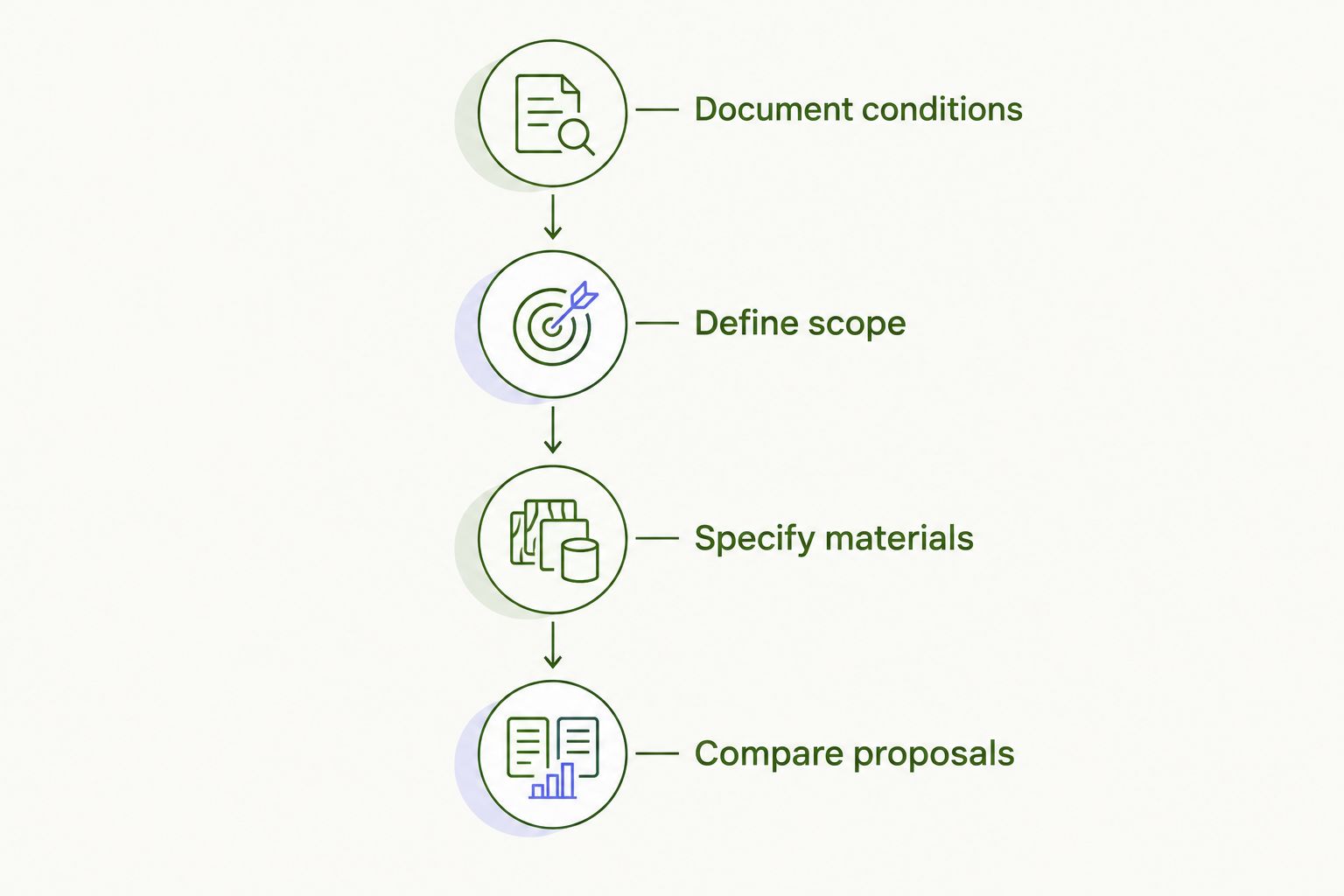
A clear project brief helps you compare the same work rather than different assumptions. For a 2026 exterior project, organize the brief in this order:
- Document conditions: Photograph each wall from 2 angles and include at least 1 close-up of every damaged area. Note cracks, staining, loose trim, and previous patches.
- Define scope: Identify whether you want localized repairs, one elevation replaced, or a complete exterior change. Include any windows or doors involved.
- Specify materials: Record the material, profile, finish, trim, and installation documents proposed for the job.
- Compare proposals: Request 3 written scopes using the same project brief. Compare demolition, substrate repairs, flashing, cleanup, and change-order handling—not just the final total.
First Choice Renovation LLC handles maintenance work and full remodels, so explain both immediate repairs and any larger renovation plans. Ask whether the proposed exterior work fits its services and how communication, site access, and related tasks will be coordinated. Business owners should also identify entrances and occupied areas that the plan must account for.
Discuss your exterior renovation
Share the existing conditions, repair needs, and wider remodeling plans for your property.
Which siding material should you choose?
Start with fiber cement for a replacement siding project; start with diagnosis and repair planning for an existing stucco home. Choose steel when a contemporary metal exterior is the goal, engineered wood when wood-like texture outweighs the maintenance commitment, and vinyl only after confirming exposure and installation suitability.
For 2026 planning, decide on the wall assembly before finalizing colors. Your material choice should follow the building's condition and your upkeep preferences—not a claim that one siding type works everywhere in Arizona.
FAQ
What's the best siding material for an Arizona home?
Fiber cement is the default shortlist choice for replacement siding when you want a painted plank or panel exterior without solid-wood upkeep. Existing stucco homes should first be assessed for repair rather than automatically converted to another material.
Is stucco better than fiber cement in Arizona?
Stucco is the better fit when preserving a sound existing stucco exterior is the priority; fiber cement suits a planned change to plank or panel siding. The condition of the existing assembly matters more than a blanket material ranking.
Can vinyl siding handle Arizona heat?
Vinyl siding requires product-specific evaluation of heat exposure and installation movement allowances. Excessive heat can distort vinyl, including concentrated reflected heat from nearby glazing.
Does steel siding make a house hotter?
Steel siding alone does not determine indoor heat gain. Metal conducts heat, but insulation, wall construction, exposure, and the complete exterior assembly must be considered together.
Can I just patch cracks in my stucco?
Patch stucco only after identifying what caused the cracks and checking the surrounding assembly. Surface repairs do not correct underlying movement, failed flashing, or damaged substrate.
What should a siding replacement quote include?
A siding replacement quote should identify removal, substrate preparation, the specified cladding and trim, flashing, finishing, and cleanup. It should also explain how concealed damage and changes to the agreed scope will be handled.
Can First Choice Renovation LLC help with a broader remodel?
First Choice Renovation LLC provides residential and commercial remodeling, renovations, and maintenance services. Discuss exterior repair needs alongside kitchen, bathroom, or whole-property plans, and confirm the proposed scope directly.
One last thing
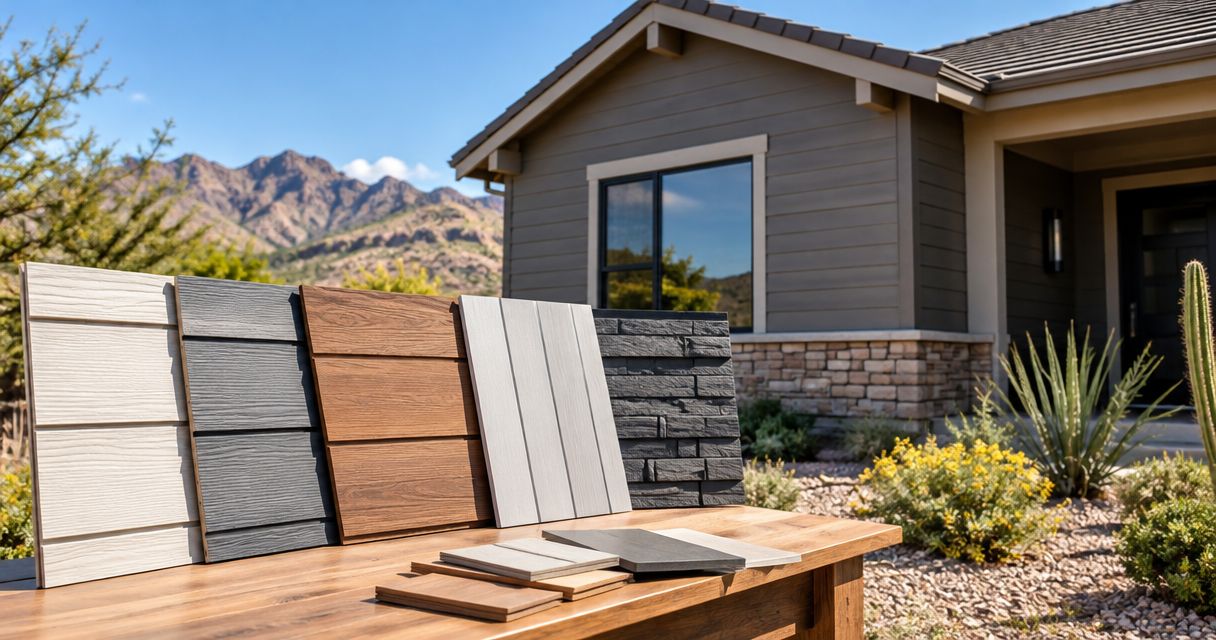
A small siding sample cannot show how joints, corners, and window trim will look together. Before approving the finish, request a representative detail or mockup that includes those transitions—not just the main material.
Inspect the edges before admiring the surface. Those intersections deserve the same attention as color and texture because they are where separate parts of the exterior assembly meet.